

Blog – Full Width

by

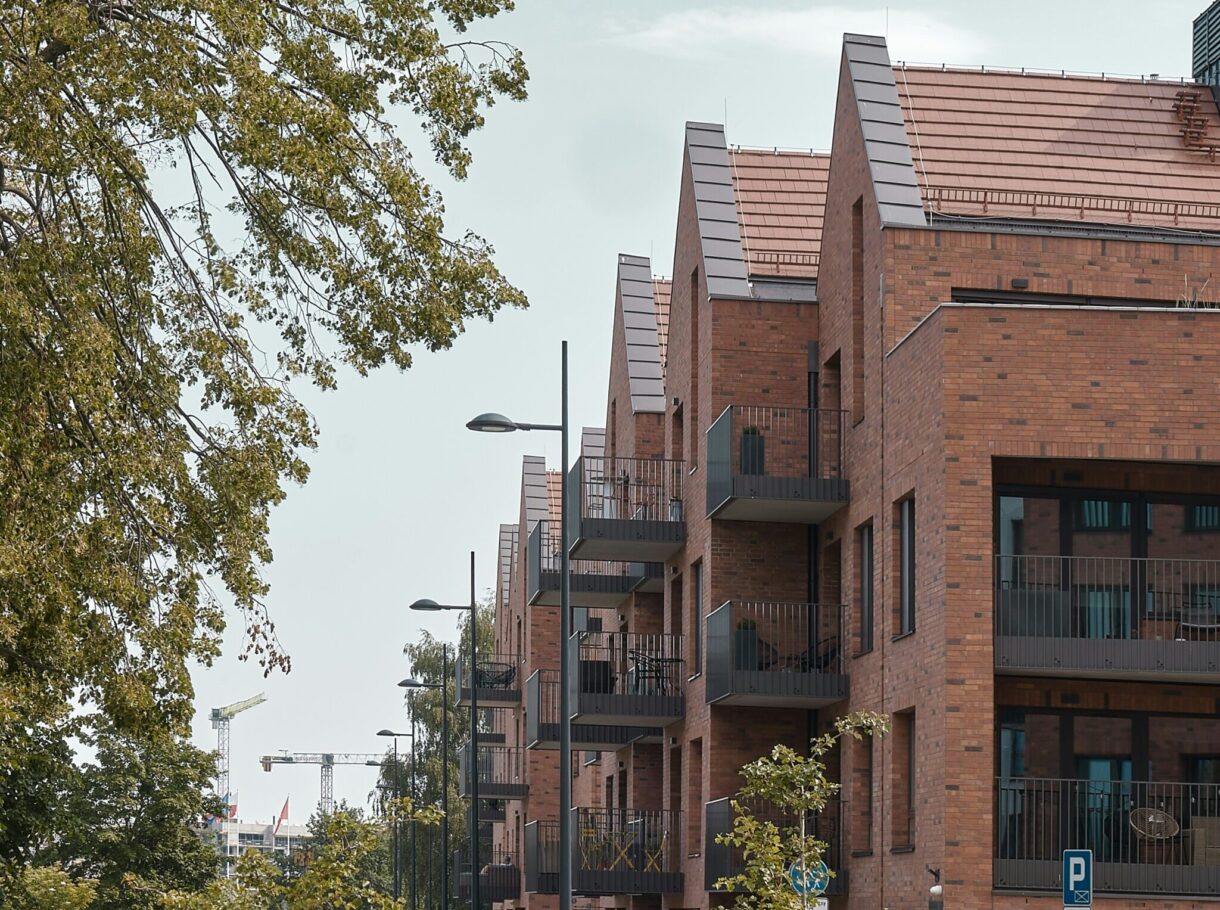
Importance of Commercial Real Estate

Real estate can have a major impact on how a business is able to bring in customers and turn a profit. As many of us have looked at how we can streamline our expenses amidst the last few months, commercial real estate investors have also reanalyzed the value of the properties they are currently in possession of (as well as those they might be interested in in the future).

Businesses that don’t have any commercial property might also be on the hunt for real estate as they see an opportunity in the market. With so many factors going into commercial properties, the process of actually finding a location, getting approved for a loan, and moving the business can take a while to decide on. Therefore, cost of the property isn’t the sole thing weighing on business owners’ minds.

Location, location, location

No matter how inexpensive a property is, you want to find something that fits your business needs and can bring you the most sales. Your property should be easily accessible and convenient for potential customers to visit – the more visible your location is, the greater the chance that more people will stop in. On the same thought, when you have prime location you can use the building itself to advertise to those passing by.

Branding

How your business looks to your customers can have an enormous impact on how much product or what services they purchase from you. With the right commercial real estate, you can elevate your business’s brand and showcase exactly what you bring to the table for potential customers. When you have property in a high-value location, you can leverage the impact your business neighbors bring as well.

Buildings & Structures

Before settling on what might seem like the perfect commercial property for your business, take notice of the building or structures on the property themselves. What condition are they in? Will you need to make changes to the building in order to make it “fit” your business? If it has any appliances or fixtures, are they energy efficient? If you need to make any changes to actually be able to use the location, it’s something you should take notice of (and weigh the pros and cons of it). You might find that a less than prime location is able to offer more in the long run in terms of cost than a high-value location.

Whether you are in the market to find a new business location to cut costs or are looking to niche down your commercial real estate investing portfolio, we are here to help you choose the right loan to get you there! Contact one of our loan officers today for a consultation.

by

How Do You Qualify for an SBA Loan?

If you’re in charge of a business, you’ve likely dabbled in the idea of loans to help with your financial needs. One of the ones you may have come across is an SBA loan, and that’s what we’re here to discuss today.

SBA Loans: What Are They?

The U.S. Small Business Administration is a federal contingent that helps small businesses receive loans to help them with their funding. They do this through many different types of loans. The SBA will back these other types of loans for disaster recovery, and they help lenders provide loans through more traditional avenues.


However, the SBA does not provide loans. They work with the lenders to help provide the loans. The SBA offers specific rules and regulations that the small business will be beholden to. These additional regulations will allow small businesses to get loans that they otherwise might not be eligible for.

SBA Loan Types

Some of the common types you might have come across when considering SBA loans are:

  • 7(a) loans

  • 504 loans

  • Microloans


Even though SBA loans come with additional stipulations, they still tend to have decent fees and rates so that you won’t be penalized too hard for stepping one toe out of line. Many of them even have lower down payments, no need for collateral, and flexible requirements for overhead and repayment.

Eligibility

Now for what you’re here for…eligibility requirements.


When it comes to SBA loans, no matter which loan you’re going for, there are specific requirements that you’ll have to meet. These are the most basic of the basic eligibility requirements, so ensure that these apply to you at least. From there, specific loans will require other details, but this is the starting line.

Operations of Your Business

When it comes to being eligible for a business loan, you must be in charge of a business (seems obvious). Additionally, your business must be considered a “for-profit” business, and it needs to be legally registered as per all national and state guidelines. Additionally, you’ll find that certain industries just aren’t eligible, so ensure that you are not working in one of those industries.


Your business must also be a size that confirms you are a small business. There are tools on the SBA website that will help you determine if you are or aren’t considered small. 

Location

To qualify for an SBA loan, your business has to exist within the continental United States or its surrounding territories.

Financing Prerequisites

Not only must you have invested significant time and/or money into your business (from your own pocket; this is called equity), but you also will need to then prove that you have:

  • Attempted to find financing through other channels before reaching out for an SBA loan.

  • You must be able to prove that you have a desperate need for additional funding.

  • You must have an extremely detailed business plan for how you expect to use the funds that include detailed information about why certain funds will be used in certain areas.


Health and Character of Your Business

If you have any outstanding debt obligations and/or if you are delinquent on any of your accounts, you will not be eligible for an SBA loan. Additionally, no one who owns more than 20% ownership in your business can be in jail, on probation, on parole, or in the midst of a criminal proceeding (as a defendant).


So long as – at least – you are eligible under these prerequisites, it’s worth it to consider getting an SBA loan if you need the money.


Links

https://www.sba.gov/funding-programs/loans


https://www.nerdwallet.com/article/small-business/sba-loan-requirements

by

What Is the Importance of Equipment Financing?

When it comes to financing elements of your business, you might be tempted to take out one large loan that you will then apply to the whole kit and caboodle. However, it may be in your best interest to look into many smaller loans so that you can get the best rates for whatever you’re trying to finance.


All this to say, if you have expensive equipment that you need to use at your business, it’s a good idea to look into equipment financing.


What Is Equipment Financing?

As you may be able to guess, equipment financing is the financing of equipment. Many businesses will decide that they need to receive excess capital to purchase their expensive equipment. If they do this, they will be spreading out the cost of the equipment over the entire life of the item. This is a great way to help businesses that are just starting out get the necessary funds they need.


Equipment financing is also a way for businesses to free up some capital that they can then spend in other places.


When you finance something, you are – essentially – saying that you will pay x amount a month for a set number of months that will equal the total cost of the item (plus any applicable interest).


Just make sure that what you are trying to finance counts as equipment. It has to be a physical item that will be used in your business to further your sales (oven in a restaurant, tire pressure machine in an automobile garage, X-ray machine in a doctor’s office, etc.).


Importance of Equipment Financing

Many businesses that require large start-up costs and expensive equipment look at the option of equipment financing as a godsend. It can be extremely beneficial for these sorts of businesses.


Additionally, not only is it helpful to curb startup costs but financing your equipment will offer many other benefits for your business:

●      Pursuing equipment financing will free up other parts of your capital.


Let’s say that the machine you need for your business is $50,000. Rather than having to pay that $50,000 upfront, you can finance the equipment and enter into an agreement that you’ll pay ~$420 a month for ten years. 


This means that you’ll have the extra money that you might have spent on the machine to spend on other things.


Of course, if you will be on the hook for this money for ten years. Only take out this type of loan if you think you’ll be able to commit to a $420 a month payment (plus associated fees) for the agreed-upon time period.


●      Equipment financing is a flexible option for business owners.

Each time you finance equipment, you will get a new agreement that will be tailored to your specific needs. This means that you will be able to customize your repayment plan and agreement with whoever is in charge of the finance loan to work best for you and your business at the time.


●      Equipment financing can improve your credit score.

Equipment financing is a great way to increase your credit score! Your credit score is made up of details that look into how often you pay your bills on time, and how often you only pay the minimum versus paying the whole amount. 


As such, if you utilize equipment financing, you’ll be adding proof to your credit history that you’re a responsible person when it comes to repayment. The more responsible you look on paper, the higher your credit score will end up being.


by

Why You Might Not Want to Use a Hard Money Loan

Many businesses need financing in order to purchase equipment or inventory, pay their employees on the offseason, and to gain new locations. However, most people are not prepared for the drawbacks that some alternative types of loans can provide. By looking at all aspects of a financing option, you can better understand the full impact a specific loan will have on your business.

What is a Hard Money Loan?

A hard money loan basically offers the same financing as a traditional bridge loan, except it is processed and funded by private lenders. Many investors use hard money loans to refurbish and sell real estate. These loans are typically for the short term and don’t require the same credit scores, lengthy processing time, or past history of repayment records. Instead, they base their approvals on collateral put up against the amount needed in a loan. In order to ensure that they are able to get their money back in case a business defaults on the loan, their loan-to-value (LTV) ratios are low (anywhere from 50% to 70%).

Drawbacks of a Hard Money Loan

Even though hard money loans can provide fast money to businesses, they aren’t meant for the long term. Businesses often find that high interest rates on this type of loan make it hard to get ahead and only allow a short period of time to pay the money back. If a business misses a payment or defaults on the loan entirely, they lose the asset they put up as collateral to that private lender.

Alternatives to a Hard Money Loan

There are many other commercial financing options out there to choose from other than hard money loans. Microloans, for one, are often used with startups that need relatively small loans (up to $50,000) and don’t have much credit history or can’t get approved for traditional loans. Those looking at hard money loans might find a great alternative in SBA microloans! However, if you really need an extremely similar loan to a hard money loan, consider going through a traditional bank for a bridge loan. Not only can they work with you for financing options for down the road, but they can often be flexible in your repayment terms if something arises.

While hard money loans might not be your best option, an experienced loan officer can advise you in the best course of action for your business. To schedule a consultation on loan options, give us a call today!

  • 1
  • 2

    We specialize in empowering entrepreneurs and small business owners by connecting them with tailored funding solutions, strategic partnerships, and operational tools. Our platform bridges the gap between great ideas and the capital needed to bring them to life. Whether you are launching a new venture or scaling an existing operation, our mission is to provide clarity, direction, and access to the resources that fuel real growth. With a deep understanding of today’s lending landscape, we help turn ambition into achievement one connection at a time.

    ADDRESS

    PO Box 131
    Bismarck, ND 58502

    PHONE

    (701) 877-0252

    EMAIL

    Advisor@capitalconnectND.com